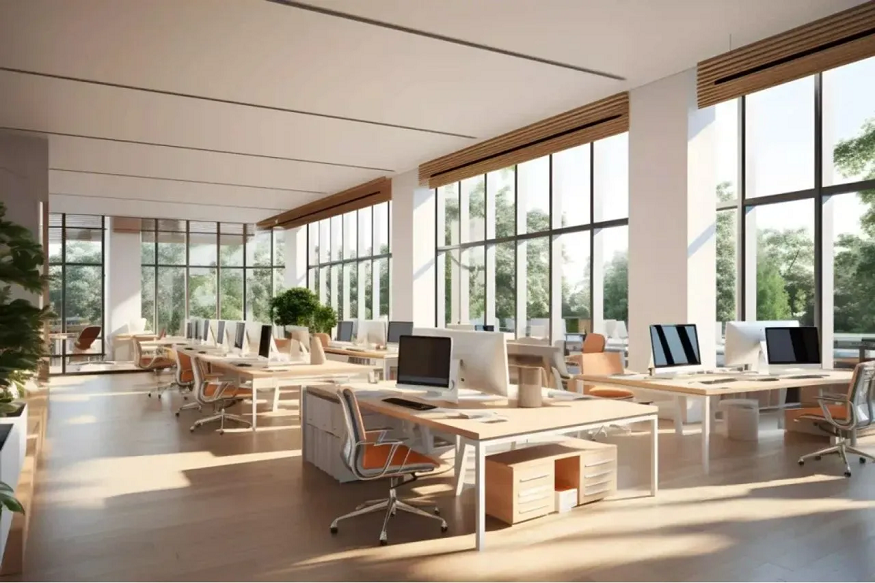
How to Future-Proof Your Office with Hybrid Workspace Design

The way we work has changed permanently. Flexible schedules, remote collaboration, and evolving employee expectations mean the traditional office layout no longer fits modern business needs. To stay competitive, organisations must look beyond short-term solutions and focus on creating offices that are adaptable, resilient, and people-focused. This is where hybrid workspace design comes in.
Hybrid offices are not just a response to current trends; they are a strategic investment in the future of work. By blending in-office and remote working seamlessly, businesses can support productivity, collaboration, and wellbeing—now and in the years ahead.
Understanding Hybrid Workspace Design
A hybrid workspace is designed to support a mix of working styles. Employees may split their time between the office and remote locations, while the office itself caters to collaboration, focused work, and social connection rather than rows of fixed desks.
Importantly, hybrid design is not a one-size-fits-all model. It should reflect how your team works, the nature of your industry, and your long-term business goals. As hybrid workspace growth continues to reshape workplace expectations, offices must evolve from static environments into flexible ecosystems that can change alongside your organisation.
Why Future-Proofing Your Office Matters
Future-proofing is about anticipating change rather than reacting to it. A well-designed hybrid office allows you to:
- Adapt quickly to workforce changes
- Reduce wasted space and overheads
- Attract and retain top talent
- Support new technologies and ways of working
An office that can evolve without costly redesigns puts your business in a stronger position to respond to economic shifts, growth phases, and changing employee needs.
What are the Key Elements of a Future-Proof Hybrid Office?
- Flexible Layouts: Gone are the days of permanent desks for every employee – instead, hybrid offices benefit from adaptable layouts that can be reconfigured as needed. Modular furniture, movable walls, and multipurpose spaces allow your office to scale up or down with ease.Think hot-desking areas for individual work, paired with collaboration zones that encourage teamwork when staff are on-site.
- Technology-Enabled Spaces: Technology is the backbone of any successful hybrid workspace – meeting rooms should support seamless video conferencing, while shared areas need strong connectivity and access to power.Future-proof offices also plan for technology upgrades by incorporating flexible cabling, smart building systems, and adaptable AV solutions that won’t become obsolete within a few years.
- Spaces for Collaboration and Focus: Hybrid offices shift the purpose of the workplace. Rather than being a place people must attend daily, the office becomes a destination for collaboration, creativity, and connection.This means balancing open, collaborative areas with quiet zones for focused work. Acoustic treatments, phone booths, and private rooms help employees choose the environment that best suits their task.
- Employee Wellbeing at the Core: A future-ready office prioritises wellbeing. Natural light, improved air quality, ergonomic furniture, and access to breakout areas all contribute to healthier, happier employees.Hybrid design also supports work-life balance by acknowledging that productivity doesn’t always happen at a desk. Relaxed spaces for informal conversations or quiet reflection can be just as valuable as formal workstations.
- Sustainable Design Choices: Sustainability is no longer optional. Future-proof offices incorporate environmentally responsible materials, energy-efficient lighting, and smart climate control systems.Not only do these choices reduce operational costs over time, but they also align with the values of modern employees and clients who increasingly expect businesses to act responsibly.
Designing for Change, Not Perfection
One of the biggest mistakes businesses make is trying to design the “perfect” office for today. The reality is that work will continue to evolve – a future-proof hybrid workspace accepts this uncertainty and is designed for change.By investing in flexibility, technology, and people-focused design, your office becomes a long-term asset rather than a limitation.
As hybrid working becomes the norm rather than the exception, organisations that adapt early will be better positioned to attract talent, improve productivity, and remain resilient in an ever-changing work environment.